 Skip to main content
LG Dryer Making Noise – Causes & Possible Solutions
Most people ignore their dryer until it starts making a sound they’ve never heard before. A squeak every few seconds, maybe, or a thump that gets louder as the load spins. If your LG dryer making noise mid-cycle has you worried, don’t panic, but don’t ignore it either. Could be a coin stuck behind the drum. Could be a part that’s just worn out after years of use. This guide gets into the usual causes, a few things you can check on your own, and when it’s smarter to call someone for dryer repair instead of guessing.
Toronto households run their dryers hard, especially with bigger families or shared laundry setups in condo buildings. That kind of daily use wears parts down faster than most people expect. So if your LG dryer has started sounding different lately, you’re not the only one dealing with it.
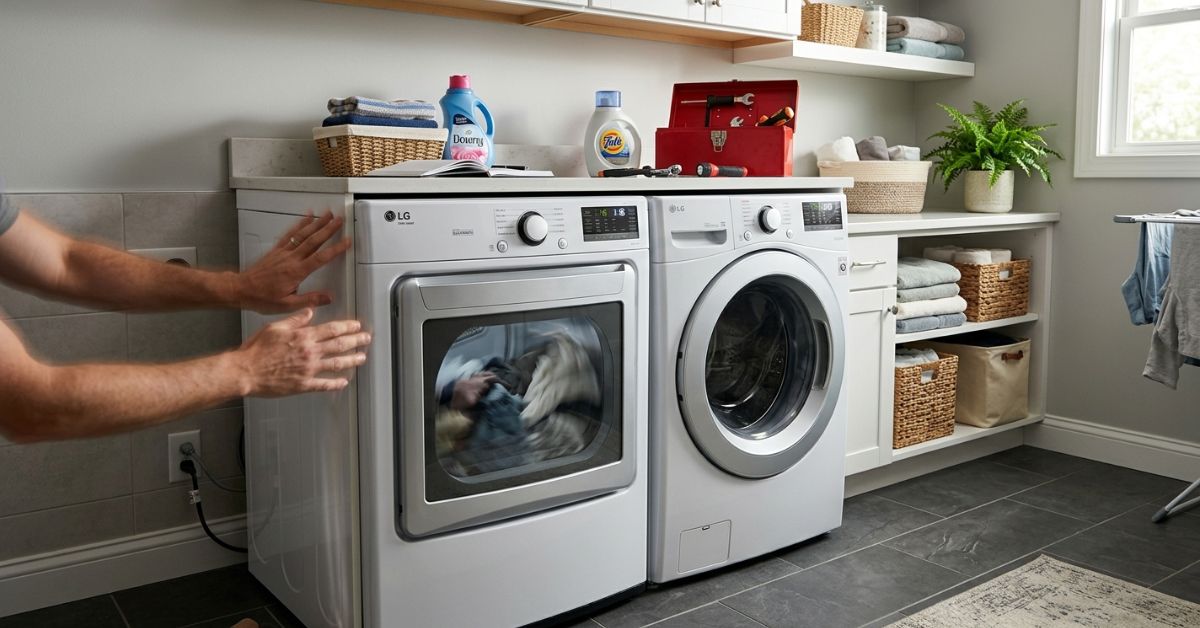
What's actually causing the noise
Rollers that have worn down
The drum sits on rollers, and after enough cycles they flatten or crack. You’ll hear a thumping that keeps pace with the drum, almost rhythmic. This is probably the single most common reason people call for dryer repair. Not glamorous, but usually a straightforward fix.
A belt that’s stretched out or slipping
Belts don’t last forever. Once one starts to go, you might hear a flapping or slapping sound, and the drum can feel like it’s dragging. Drying times sometimes creep up too before the noise even becomes obvious.
Loose change, buttons, whatever fell out of a pocket
Check the drum before assuming the worst. Coins, buttons, and hair clips end up in dryers more often than people think, and they rattle around loudly once the cycle starts. If this is the cause, it’s the cheapest fix on this list.
Blower wheel damage
The blower pushes air through the machine to remove moisture. Crack it or knock it out of balance and you get a grinding or buzzing sound that’s hard to miss. Diagnosing it usually means opening the cabinet, not something you can confirm from outside.
Motor bearings wearing out
A squeal that won’t quit, or a low hum sitting under everything else. This tends to build gradually over a few weeks rather than appearing overnight. Left alone, it can take the motor down with it, turning a small repair into a bigger one.
Something rattling loose on the outside
Screws and panels loosen from vibration over time. Sounds worse than it usually is. Worth ruling out before assuming the problem is internal.
Things worth checking yourself first
Run the dryer empty and listen. Does the noise happen constantly, or only when the drum is turning? Open the door partway through a cycle and spin the drum by hand, checking for grinding or resistance. Pull the lint trap and check the exhaust duct, since blocked airflow can cause rattling near the blower that has nothing to do with worn parts. Walk around the unit and tighten anything that feels loose.
None of this fixes a stretched belt or worn bearings. But it rules out the simpler causes, and that alone can save a service call.
When to call a professional
If you’ve gone through these checks and the noise is still there, especially alongside a burning smell, longer drying times, or the dryer stopping mid-cycle, that’s the point to call for dryer repair. LG dryer models pack components tightly, and attempting a belt or bearing replacement without the right tools often creates a second problem on top of the first.
A technician who handles LG dryer repair regularly will usually know what to check first based on the sound alone. Most visits end with a single part replaced, not a full teardown, which keeps the cost reasonable next to buying a new machine outright.
Cutting down on future noise
Clean the lint trap after every load, not just occasionally. Check the exhaust vent for buildup at least twice a year. Avoid overloading the drum, since extra weight puts strain on the rollers and belt. If the dryer runs several loads a week, an annual dryer repair check-up is worth scheduling before small issues turn into bigger ones.
None of this guarantees the noise won’t come back eventually, but it stretches out the time between repairs.
Dealing with a noisy LG dryer in Toronto?
If your LG dryer making noise hasn’t gone away on its own, we handle dryer repair for LG models across Toronto, Etobicoke, Scarborough, North York, East York, Vaughan, and Woodbridge. We diagnose the issue on-site and carry common parts, so most jobs are done in a single visit.
Call 647-793-5249 and describe what you’re hearing. That alone usually helps us narrow down the problem before we arrive.


